A Designer's Review of a Watercolor Baby Elephant Clipart
The First Impression: Softness with a Handmade Soul
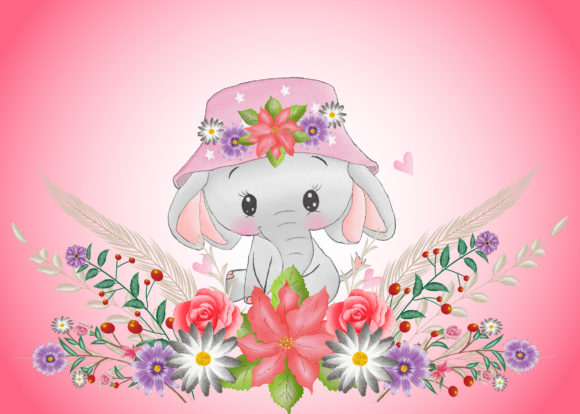
Opening the file, the immediate sense is one of gentle, approachable charm. The Watercolor Baby Elephant Clipart isn't a cold, vector-perfect graphic; it carries the authentic texture of its origin—hand-painted on paper, then digitized with care. The brushstrokes are visible, the color washes are soft and slightly uneven, and the overall mood is nostalgic, warm, and deeply artistic. It speaks to a style that values craftsmanship and emotional connection over sterile precision. This immediately tells me it's a graphic design asset suited for clients whose brands are built on authenticity: handmade businesses, boutique product lines, children's brands, wellness-focused companies, or any project aiming for a heartfelt, organic feel.
Where This Illustration Thrives in Real Client Projects
In practical application, this watercolor baby elephant becomes a versatile core element. For a small business launching a line of organic baby products, it could be the central motif on product labels and packaging design, instantly conveying gentleness and natural care. For an Etsy shop selling printable wall art or a blogger creating a series on motherhood, it serves as a perfect, emotive blog visual or Pinterest pin. Its sublimation-ready nature makes it a prime candidate for t-shirt design, mugs, and tote bags for a family-oriented event or local fundraiser. In social media graphics, especially for Instagram posts or Canva templates aiming for high engagement, it acts as a powerful focal point that stops the scroll with its emotional appeal.
Strengths in Specific Design Applications
- Hero Graphics & Large Layouts: Its high-resolution scan ensures it holds detail when used prominently on website graphics, posters, or invitation backgrounds.
- Decorative Accents & Supporting Brand Elements: It works beautifully as a repeating pattern element on packaging details or as a subtle accent in editorial design for a magazine or book.
- Themed Campaigns & Printable Designs: For a seasonal campaign or a collection of digital products for a creative marketplace, it can anchor a cohesive visual theme across stickers, merchandise, and digital ads.
- Product Mockups: Placed on mockups for physical products, it adds a layer of polished, commercial design quality that elevates a simple concept.
Practical Considerations and Areas for Careful Use
While its charm is undeniable, professional design judgment requires testing its limits. The watercolor texture and soft edges mean readability can become an issue if used at very small sizes or in crowded layouts. Placing it next to dense text without clear visual hierarchy could create a muddy composition.
Scenarios Requiring a Designer's Eye
- Minimalist or Corporate Branding: For projects requiring very clean, sharp visual hierarchy and professional corporate materials, this asset might introduce an unintended informal tone.
- Complex Backgrounds: The PNG transparency is crucial, but on busy backgrounds, the soft edges of the elephant might not create enough contrast, causing it to blend in.
- Low-Contrast Designs: Its own color palette is soft; pairing it with similarly muted colors could weaken its impact.
The Designer's Checklist Before Client Use
Before committing this asset to a real client project for marketing visuals or brand identity, I run through a standard battery of tests. These are not just about the file, but about how it integrates into a professional workflow.
- Scale Test: Preview it at both large and tiny sizes. Does it retain its character as a small icon? Does it pixelate or blur?
- Contrast & Background Check: Place it on pure white, black, and a mid-toned background. Test it in black and white conversion to see if the form remains recognizable for potential alternative uses.
- Typography Pairing: Compare it alongside a clean sans-serif font, a delicate script font, and a sturdy serif. The watercolor style often pairs best with a simple sans-serif or a complementary handwritten font to maintain the handmade business aesthetic without sacrificing readability.
- Mockup Integration: Place it onto actual product mockups for a t-shirt, mug, and a book cover. Does it scale appropriately? Does the print quality look convincing?
- Commercial License Verification: This is paramount. For use in print-on-demand, digital sellers, or any commercial design asset for a client, confirming the license terms is the first and most critical step.
Final Judgment: A Asset That Builds Trust and Engagement
Ultimately, the Watercolor Baby Elephant Clipart is more than a pretty picture. When used thoughtfully, it strengthens a design project. It builds visual trust by signaling quality and artistic intent. It boosts audience engagement through its inherent emotional appeal—a well-chosen illustration can make a brand feel more human and relatable. For a designer crafting a visual concept for a local event, an online product launch, or a small business branding suite, this asset can be the key element that makes the final result feel cohesive, polished, and purposefully crafted. It’s a digital product that serves creative design, not just decoration. Its success hinges on the designer’s skill in positioning it within a clear hierarchy and a consistent brand story, ensuring that its soft, handmade soul amplifies the message, not obscures it.