A Designer's Review of the Watercolor Flower Bundle for Branding
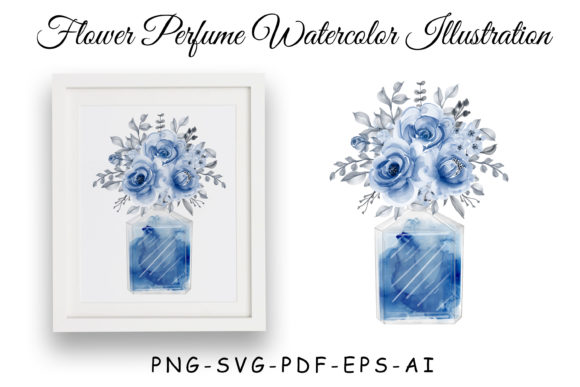
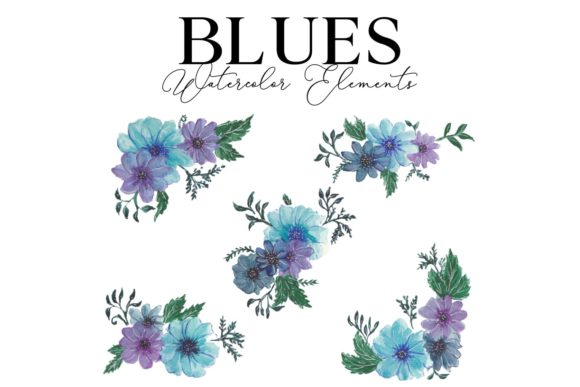
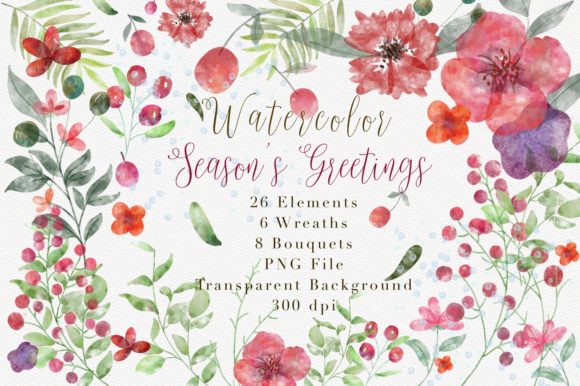
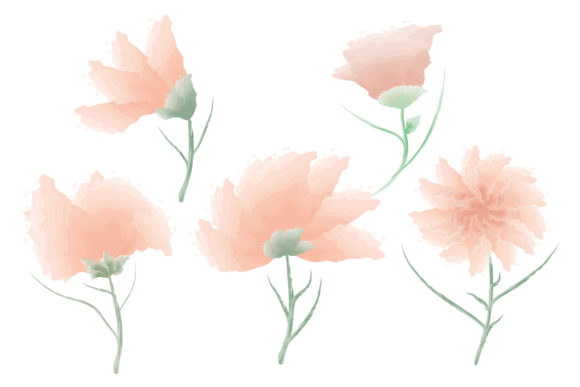
From my desk as a brand designer and content marketer, I'm looking at the Watercolor Flower Bundle. The first impression is immediately clear: this is a soft, organic, and expressive graphic design asset. It carries a mood of gentle authenticity. This isn't a harsh, geometric vector pack; it's an invitation to warmth.
The Emotional Tone and Brand Perception It Creates
Before I even place it into a mockup, I consider the audience perception it will shape. This bundle brings an emotional tone of handmade care, natural growth, and artistic flair. It feels inherently suitable for brands built on lifestyle content, wellness products, creative entrepreneurship, and premium visuals that don't want to feel cold or corporate. Imagine a small business launching a new line of organic skincare. The watercolor flowers aren't just decoration; they visually communicate the brand's values—pure, crafted, and connected to nature. For an online coach promoting a mindfulness workshop, these illustrations signal tranquility and personal growth.
Integrating the Bundle into a Real Marketing Campaign
Let's frame this around a real project: a boutique candle company is preparing a spring seasonal offer and needs to refresh its entire visual content kit for social media, email, and its website. This is where the practical value of versatile design assets shines.
The provided SVG, EPS, and PNG files mean I can adapt these illustrations across every needed format without losing quality. For brand identity, a single flower could become a subtle logo accent. For packaging design and product labels, these elements add a luxurious, artistic touch to the physical product. In digital spaces, they become the core of the campaign's look.
Where These Graphics Perform Excellently
In my workflow, I'd deploy the Watercolor Flower Bundle specifically to enhance key visual moments:
- Hero graphics and website headers for the seasonal launch page.
- Campaign headers and banners for email marketing, creating a consistent thread from inbox to website.
- Social media graphics: Instagram posts announcing the new scents, Pinterest pins designed to inspire, and Facebook ads that feel less like ads and more like beautiful content.
- Branded templates in Canva for the team to quickly create blog graphics or promotional banners.
- Packaging accents and decorative elements on thank-you cards or packaging inserts, extending the brand experience post-purchase.
- Editorial layouts for a lead magnet like a "Spring Wellness Guide," where illustrations break up text gracefully.
The marketing goals it supports are direct: a stronger first impression that feels curated, more consistent branding across all platforms, and an emotional connection that fosters audience trust. The professional appearance of well-integrated custom illustration elevates the entire brand above using generic stock imagery.
Practical Considerations for Professional Use
However, as with any creative design element, it must be applied with strategy. My brand designer notes for using this bundle effectively start with integration tests.
- Always test it with your existing brand color palette. Watercolor has its own tones, but overlaying it or using it as a mask can help harmonize it.
- Check its usage in black and white or single-color applications for things like invoice headers or simplified merchandise.
- Place it inside real campaign mockups immediately. Preview how a Pinterest pin looks with text overlay on a mobile screen. Does the detail hold up? Is readability maintained?
- Compare it against competitor visuals. Does it help your product presentation stand out as more artistic or authentic?
- Review spacing and balance. Watercolor elements can be soft but busy. Pair it with clean, ample white space and clear typography. I'd test it with a modern sans serif font for balance, a elegant script font for harmony, or even a bold display font for contrast, depending on the campaign's voice.
- Crucially, confirm commercial licensing before using it in paid campaigns, client work, or permanent business branding. This ensures your investment in this digital product is safe for all your commercial design needs.
Where to Apply This Asset Carefully
The Watercolor Flower Bundle is powerful, but it's not universally applicable. I would use it carefully, or avoid it, in certain contexts:
- Formal corporate branding for financial or legal services. The handmade tone conflicts with required perceptions of austerity and precision.
- Dense information layouts, like complex infographics or data-heavy reports, where the asset could compete with the main message and clutter visual hierarchy.
- Very small mobile graphics where fine watercolor details might vanish or become muddy.
- Overly minimal brands that rely solely on stark typography and space; the introduction of organic illustration could disrupt a carefully built aesthetic.
- Text-heavy ads where the primary goal is direct, unambiguous communication; the illustration should serve as a subtle accent, not a focus.
The Final Verdict for Content Creators & Entrepreneurs
For brand owners, marketers, and creative entrepreneurs, the Watercolor Flower Bundle is a strategic design asset. It's more than clipart; it's a tool for building a specific, appealing brand world. When your marketing needs to attract attention without looking messy or unprofessional, these illustrations provide a ready-made path to visual consistency. They offer a decorative brand element that feels both unique and accessible, especially when integrated into templates for recurring use.
In the hands of a thoughtful designer or content creator, this bundle supports stronger recognition through repeated, tasteful application. It turns a product launch, a seasonal promotion, or a content series into a cohesive visual story. The key is to treat it as a foundational element of your campaign's design language, not as a last-minute decoration. Plan its use, test its application, and let its organic mood enhance your message. That is how a simple graphic design asset becomes a vital part of professional branding and memorable campaign visuals.