A Designer's Take on Watercolor Eye Graphics for Commercial Use
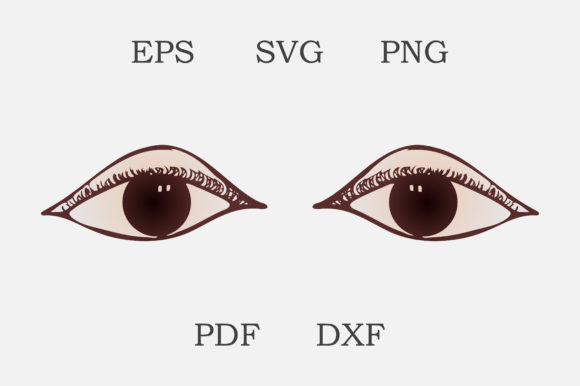
When you’re preparing a new collection for your Etsy shop or a seasonal drop on a platform like Creative Fabrica, the first impression of a graphic design asset is crucial. Opening the files for this watercolor eye clipart illustration, I immediately notice its mood. It leans elegant and handmade, with a soft, artistic personality that feels premium. This isn’t a bold, graphic icon; it’s a decorative piece with niche appeal, likely attracting buyers looking for something feminine, subtle, and visually expressive for projects like framed artwork or greeting cards.
This visual personality is key. In a marketplace thumbnail, it needs to stand out without being loud. For sellers targeting audiences interested in beauty, spirituality, or sophisticated crafts, this illustration can be a strong anchor for a themed bundle.
Testing the Asset Across Real Selling Scenarios
Before publishing any listing that uses this asset, I’d test it in real product-selling situations. The included SVG, PNG, and EPS files mean its applications are broad, but each format has a best-use case.
For sublimation designs, like t-shirts or mugs, the watercolor texture needs to be checked for color vibrancy in a test print. For printable wall art or planner stickers, the PNG’s resolution and transparency are vital—a blurry edge or a white halo around the design in a mockup preview can hurt perceived value. Using it in a Cricut project for sticker designs requires inspecting the SVG cut lines carefully; the organic, painterly edges of a watercolor design can sometimes be trickier for clean cutting than a solid vector shape.
Where This Eye Illustration Works Best
This asset shines in larger formats where its details can be appreciated. Think of it as a focal point. It would be excellent for:
- Printable products like framed artwork or nursery prints.
- Merchandise graphics on tote bags or tumbler wraps where the design isn’t overly crowded.
- Themed bundles, perhaps paired with other nature-themed or artistic illustrations for a cohesive digital download collection.
- Product mockups for greeting cards or invitation templates, providing a strong visual hierarchy.
- Social media promos and blog graphics to establish a brand identity for a handmade business.
In these uses, it supports visual storytelling and can enhance customer trust by making your product listings look more professional and complete.
Points to Use With Care
There are situations where I’d be cautious. The intricate, soft watercolor details might not translate well in:
- Tiny sticker details where fine lines could get lost.
- Overly complex layouts competing with text or other graphics on a crowded thumbnail.
- Low-resolution print products where the texture becomes muddy.
- Dark backgrounds without sufficient contrast, making the design fade.
- Text-heavy templates where the illustration needs to be a clear, supporting element, not a distraction.
Always preview it on both white and dark backgrounds in your mockup to gauge its versatility.
Practical Seller Notes for Product Creation
My process before selling any finished product with a commercial design like this would involve a few concrete steps. First, confirm the commercial licensing terms of the asset itself. Then, organize the delivered files clearly for your own workflow and, if you’re selling the final design as a digital product, for your customers.
Test the design on real mockups for all intended applications—a t-shirt design, a mug design, a digital paper pack background. How does it scale? Does the PNG transparency work perfectly when placed over a pattern? For the SVG, open it in your design software and check the layer structure and any potential cut issues if used for a Cricut project.
Font pairing is another subtle but important tool for product presentation. This watercolor eye illustration would pair beautifully with a delicate script font for an elegant look, a clean sans serif for a modern twist, or even a serif font for a classic, editorial feel in a Canva template. Testing these combinations can unlock multiple product variations from one core asset.
Enhancing Your Online Product Collection
Ultimately, a strong graphic design asset like this watercolor eye clipart illustration isn’t just a single product; it’s a tool for building a more professional-looking online shop. When used thoughtfully, it can improve click-through potential by making your listing images and mockup previews more appealing.
Consider using it to create product bundles, perhaps as part of a “Botanical Inspirations” collection with other floral elements. It can aid in brand consistency across your social media graphics, packaging design concepts, and your creative marketplace listings. The key is to see it as a versatile component, not a finished product in itself.
By testing it rigorously across formats and contexts, you mitigate risks and discover its true commercial potential. This practical, business-minded approach turns a beautiful illustration into a reliable asset for your digital product creation, whether for print-on-demand, Etsy products, or your own digital download shop.