A Watercolor Coffee Design for Embroidery Projects
The First Impression: Warm, Soft, and Approachable
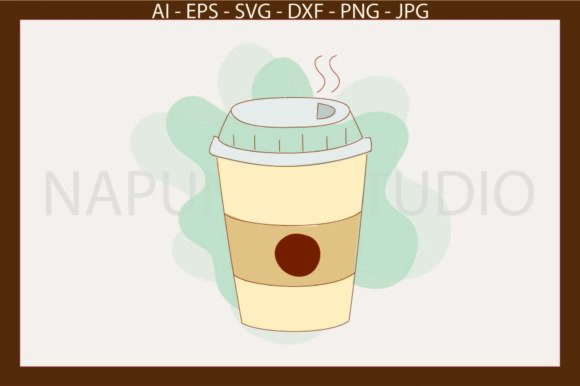
When you first look at the Coffee Cup Hot Background Watercolor Svg, the mood is clear. It’s cozy. The watercolor style gives it a soft, artistic feel rather than a harsh, graphic one. The coffee cup itself is nicely shaped, and the "hot" background has that lovely, blended, painterly texture. This isn’t a sharp, corporate logo; it’s a design with a friendly, handmade personality. It immediately whispers "craft cafe," "creative morning," or "comfort gift." For an embroidery project, that’s a fantastic starting point. It tells me this design belongs on items meant to feel personal and warm.
Where This Design Naturally Finds Its Home
I picture this on a canvas tote bag for a book lover, a soft cotton apron for a home baker, or a cozy pillow cover in a reading nook. It would be perfect for a customized gift for a teacher, a new parent who needs their caffeine, or as part of a small shop’s "coffee lover" merchandise line. Because it’s an illustration, it lends itself to items where the aesthetic is part of the product’s value—think boutique kitchen towels, relaxed-fit sweatshirts, or simple baby blankets for a nursery (where the parents are definitely drinking that coffee!). The theme is universally understood and generally positive, which makes it a safe but charming choice for craft business items.
Considering Real Embroidery: How It Translates to Stitching
The practical test is how this watercolor look translates into stitches. The provided file formats, including SVG, are crucial here. The SVG should allow for clean path conversion into an embroidery file. The watercolor background is the key element. In embroidery, that blended effect will be achieved through fill stitches. The density and direction of those fills will determine whether it retains that soft, airy feel or becomes too dense and stiff. For a project like an embroidered patch or a tote bag, where you want some texture, a moderately dense fill could work beautifully. On a thin t-shirt or baby garment, you’d want to adjust the stitch density down to keep the fabric flexible and comfortable.
Scenarios Where Extra Care is Needed
This design has a background element and a main object. On curved surfaces like caps, the outer "hot" splash might need some simplification to hoop cleanly. On very dark fabrics, the lighter watercolor tones will require excellent thread color contrast to pop—you might lean towards brighter creams and tans instead of pale pastels. The design isn’t overly detailed with tiny corners, but the smooth flow of the watercolor means your stabilizer choice is important to prevent puckering, especially on stretchy fabrics like sweatshirt fleece. For products destined for frequent washing, like kitchen towels, using durable threads and securing those fill stitches well will be key to longevity.
Adding Value to Your Creative Products
Using the Coffee Cup Hot Background Watercolor Svg on a finished product does something important: it elevates the handmade presentation. A generic graphic can feel cheap; this illustrative style feels considered and artistic. For an Etsy seller or small shop, that builds customer trust and engagement. It suggests quality. A customer browsing for a personalized gift sees this embroidered on a tea towel and thinks, "This looks special," not "This looks mass-produced." That’s a direct boost to your product’s perceived value and its giftability. It fits a brand that wants to feel consistent, creative, and professional.
A Practical Case: Preparing a Custom Embroidered Tote
Let’s walk through a real-life use. I’m preparing a custom tote bag for a client who runs a small coffee blog. They want something unique for their audience. I choose this design because it’s illustrative, not a stark logo. I test it on scrap canvas first. I check how the fill stitches for the background look—are they too heavy? I adjust the stitch density slightly to keep the bag pliable. I choose thread colors that mirror a real creamy latte and a warm terra-cotta for the "hot" effect. I confirm my hoop size can accommodate the entire canvas area comfortably. The result is a tote that feels like a piece of art, not just branding. The client’s followers love it because it’s both useful and visually appealing. That’s the power of a well-chosen embroidery design.
Essential Notes for the Working Designer
Before you run this file, do your homework. Always test on scrap fabric that matches your final product’s texture. This tells you everything about stitch density and stability. Create a black-and-white mockup to see how the elements separate without color—this helps plan your thread palette. Compare how it looks on light and dark background mockups; the watercolor background may nearly disappear on white if your threads are too light. Remember, the product description states it’s for clothes, posters, tote bags, cards and more, and lists several vector and image formats. That suggests broad usability, but for commercial embroidery, you must confirm the licensing terms yourself before selling the finished physical products. Don’t assume.
Finally, trust your eye. The Coffee Cup Hot Background Watercolor Svg has a gentle, inviting character. It won’t suit every project—a high-tech sport cap might be wrong—but for the vast world of cozy, personalized, and handmade goods, it’s a strong contender. It provides that visual appeal that makes a customer pause, smile, and then click "Add to Cart." That’s the practical goal for any designer or maker using a digital design asset, and this one, with its friendly watercolor warmth, is well-equipped to help you achieve it.