A Watercolor Fox Design Fit for Creative Hands
When a new embroidery design lands in my library, my first instinct isn’t to admire it on screen—it’s to envision how it will live in thread and fabric. So when I looked at Watercolor Fox Tea Time, I immediately pictured it stitched onto a linen tea towel or the front of a cozy, heirloom-style baby blanket. This isn't just a cute animal motif; it’s a design with a distinct mood and a clear purpose.
The Quiet Charm of a Stitched Scene
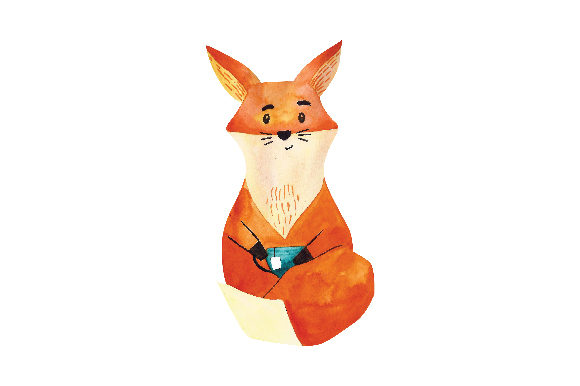
The first impression here is gentle artistry. The watercolor style, with its soft edges and implied texture, creates a feeling of warmth and whimsy without being overly cartoonish. The fox, paired with its teacup, has a relaxed, almost storybook personality. It’s not a bold, graphic logo; it’s a scene. This tells me it belongs on projects where the feel is as important as the look: personalized gifts, boutique home decor, or specialty items for a small shop aiming for that handmade, narrative touch.
For an embroidery project, this translates well. The design avoids overly dense, solid fills that can make a garment stiff. Instead, it likely uses a combination of fill stitches and running stitches to mimic that painterly effect, which should result in a softer, more flexible finished product. That’s a significant plus for things like apparel, baby clothes, or pillow covers where comfort and drape matter.
A Versatile Player for the Creative Business
Thinking through real-life applications, this design’s versatility shines. I’d confidently stitch it onto a canvas tote bag for a book-loving friend—it has that literate, cozy vibe. For a small business owner, it could become a signature item: embroidered onto organic cotton sweatshirts or as a delicate accent on the corner of an apron. The “Animals” category here is broad, but the “Crafts” heart of it is specific. It feels perfect for personalized gifts, nursery decor, or as a standalone embroidered patch that customers could apply themselves.
In a commercial embroidery setting, like producing batches for a local boutique, the design’s appeal is its giftability. It doesn’t scream “brand”; it whispers “thoughtful.” That can elevate a simple product—a kitchen towel, a blanket—into something with higher perceived value. For Etsy sellers or digital product sellers offering the file, this emotional hook is crucial for buyer engagement in mockups and listings.
Where This Fox Requires a Careful Hoop
Every design has its ideal home and its challenging frontiers. With Watercolor Fox Tea Time, the watercolor aesthetic means there are likely fine details and softer transitions. On textured fabrics like thick sweaters or terry cloth, some of that delicate clarity might get lost. Stretchy fabrics would demand excellent stabilizer to prevent distortion of those gentle lines.
The most careful consideration should be for small-scale applications. If you’re thinking of shrinking it down for a cap’s curved panel or a tiny baby sock, you must test first. Those intricate details—the teacup handle, the fox’s features—might become muddled or too dense for a small hoop size. Similarly, on dark fabrics, the color palette (which I’d assume leans toward softer, lighter tones) would need rigorous testing for thread contrast. You don’t want a lovely design to vanish into a dark background.
Products destined for frequent washing, like kids’ apparel or kitchen linens, also warrant a test run. How do those blended, watercolor-style stitch areas hold up? A simpler, bolder design might be more durable, but with proper thread and technique, this one could become a cherished, well-worn item.
Practical Notes Before You Stitch
My professional habit is always to run a design through a few practical filters before committing it to a client project or my own shop merchandise. For this fox, here’s what I’d do:
- Stitch a sample on scrap fabric that mimics your final product fabric. This is non-negotiable. You need to see the actual stitch density, how the colors interact, and whether any small elements pose issues.
- Check it in black and white. Load the file and preview it in monochrome. This quickly shows you if the contrast and detail levels are sufficient, especially if you plan to use it on both light and dark backgrounds.
- Consider the stabilizer. For lighter or stretchy fabrics, a good stabilizer is key to preserving that watercolor softness without puckering.
- Confirm the licensing. The provided formats—SVG, PNG, EPS, DXF—are versatile for both digital and machine use. But before selling any finished items or using the design in commercial embroidery, verify the license terms. Don’t assume.
These steps safeguard not just the quality of your finished product, but also your customer trust and brand consistency. A poorly executed design on a beautiful product can undermine a handmade presentation.
The Final Impression: A Design That Adds Value
After all this consideration, Watercolor Fox Tea Time stands out as a design that brings more than just an image to an embroidery project. It brings a mood. It encourages a storytelling product—a gift for a tea lover, a special item for a nursery, a unique offering in a craft business. Its value lies in that emotional connection, which, when stitched well, translates directly into customer recognition and professionalism for your work.
For the hobbyist making a one-off gift, it’s a joyful project. For the creative entrepreneur building a line of embroidered goods, it’s a potential standout piece that can be adapted across products—from a tote bag design to a baby embroidery on a keepsake. Its success hinges on placing it thoughtfully: choosing the right fabric, the right scale, and the right product context. When you do, this watercolor fox won’t just sit on the fabric; it will come to life, adding a touch of quiet, stitched charm to whatever it adorns.