A Watercolor Mushroom Vector for Graphics & Illustrations
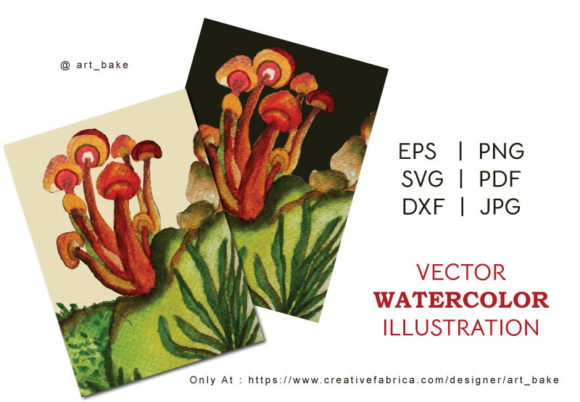
Opening up this Mushroom Illustration Watercolor Vector, I immediately get a sense of its personality. It’s not just an illustration; it’s a graphic design asset with a hand-drawn, gentle feel. The watercolor style is soft, decorative, and carries a rustic charm that leans more toward whimsical and handmade than overly cute or minimalist. This mood appeals to a specific audience: crafters, buyers looking for botanical or nature-themed decor, and anyone running a shop with a cozy, earthy aesthetic.
Testing the Mushroom Vector Across Different Products
Before I publish anything, I always test a new asset across multiple platforms and product ideas. For this mushroom vector, I’d start by dropping it into a few simple mockups to gauge its versatility.
Where This Watercolor Illustration Works Well
The high-resolution, print-ready vector format is its greatest strength. It can scale beautifully for large formats without losing quality.
- Printable Wall Art & Nursery Prints: The organic, watercolor texture looks premium as a standalone art piece. For a digital download shop, this could be a core product.
- Greeting Cards & Invitation Templates: Its hand-drawn style adds warmth to paper products. Pairing it with a simple serif or a clean sans-serif font creates a balanced, sellable template.
- Merchandise Graphics: On light-colored t-shirts, tote bags, or mugs, the design maintains its soft feel. It works for sublimation designs, especially on fabrics where the watercolor bleed can look intentional.
- Digital Product Presentation: For my Etsy product or Creative Fabrica listings, using this illustration in mockup previews and thumbnail images boosts visual storytelling. It helps build customer trust by showing a complete, professional-looking concept.
- Canva Templates & Social Media Graphics: Imported as a PNG with transparency, it becomes a decorative element for blog graphics, promotional visuals, or even packaging design for a small business.
- Craft Project Foundations: For Cricut users, the vector can be adapted for planner stickers or scrapbooking kits. The key is to ensure the lines are clear enough for cutting.
Practical Considerations for Commercial Use
As an experienced seller, I look beyond the initial appeal. Here’s how I’d evaluate this asset for my shop.
Product Presentation & Perceived Value
This mushroom illustration can elevate a whole collection. When bundled with other nature-themed graphics into a themed digital product bundle, it creates brand consistency. Using it across listing images for a seasonal collection—like an autumn digital paper pack—improves click-through potential. The artwork’s decorative quality makes products feel less generic and more like curated design assets.
Spots to Use with Care
Not every application is ideal. The watercolor details and soft edges require some forethought.
- Fine Cutting Details: For intricate Cricut projects like tiny sticker details, the blurred watercolor edges might not provide a crisp, clean cutting line. It’s best for larger silhouette cuts.
- Crowded Layouts: In a text-heavy template or a busy social media graphic, the illustration could lose its impact and make the visual hierarchy messy.
- Dark Backgrounds: The lighter tones need contrast. On a dark background without adjustment, it might fade and look washed out in a thumbnail.
- Low-Resolution Products: While the vector is high-res, using it in a context that forces it down to a small, compressed PNG (like a crowded marketplace thumbnail icon) could hide its quality.
A Real Shop Scenario: Preparing a New Collection
Imagine I’m launching a ‘Forest Craft’ collection on my Shopify or print-on-demand store. This Mushroom Illustration Watercolor Vector would be a central graphic.
My process would be:
- Verify the Files: Open the SVG and PNG files. Check the transparency on the PNG. Test a small print to see if the colors render as expected—watercolor greens and browns can sometimes shift.
- Create Mockups: Place the design on a mug mockup, a t-shirt template, and a wall art frame. See how it looks as a marketplace thumbnail. Does it still attract attention when small?
- Test Font Pairings: For invitation or card templates, I’d try it with a script font for elegance, a handwritten font for a playful mix, and a display font for bold titles. This confirms the asset’s flexibility.
- Check the Cut Path: If I plan to sell it as an SVG for Cricut projects, I load it into my software and inspect the cut lines. Are they continuous and suitable for a craft project?
- Organize for Customers: If I’m selling the finished printable design or Canva template, I ensure my product files are clearly labeled. A commercial license for the original asset is confirmed so I can sell my derivatives.
How It Supports a Professional Product Line
Ultimately, this isn't just about a single graphic. It’s about how a well-chosen illustration can make an entire shop look more cohesive and credible. This hand-drawn mushroom vector offers a specific visual personality—rustic and handmade—that resonates with a niche audience. Used thoughtfully in large product previews, decorative layouts, and themed bundles, it increases the perceived value of my digital downloads or merchandise.
For sellers on Etsy, print-on-demand platforms, or any creative marketplace, the real test is in application. Does it scale? Does it pair well with other elements? Does it look professional in a mockup? For this watercolor mushroom, the answers are positive for a wide range of products, provided you mind its softer edges in contexts requiring ultra-precision. It’s a commercial design that feels authentic, which is exactly what many creative entrepreneurs and their customers are looking for.