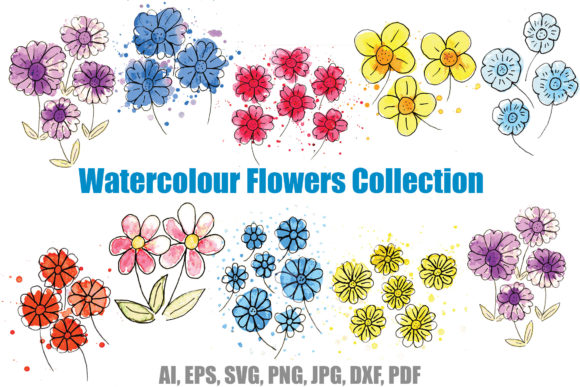
Bringing Editorial Flair with Wildflower Illustrations
In the crowded landscape of digital content, the first impression is often visual. As a blog designer tasked with creating polished, clickable content across multiple platforms, I constantly assess graphic design assets for their real-world editorial value. My review of the 16 Watercolour Wildflower Flower Designs pack begins with its immediate visual mood: it feels distinctly artistic, feminine, and lifestyle-focused. This isn't a generic clip art collection; it's a set of illustrations that evokes a sense of natural beauty, creativity, and gentle authenticity.
The Editorial Atmosphere of a Watercolour Asset
When you open a pack of sixteen beautiful watercolour illustrations, you're not just downloading files. You're adopting a specific tone for your content. These graphics instantly suggest niches like wellness, gardening, handmade crafts, seasonal lifestyle blogging, or any content aimed at a creative, mindful audience. The watercolour style communicates a softer, more personal approach compared to stark vector graphics, which can significantly affect reader perception. It builds trust by suggesting care and artistry, telling your audience that the content itself is crafted with similar attention.
For a publisher, this translates to an asset that naturally supports content needing a decorative, elegant touch without being overly corporate or serious. It leans towards modern, clean, and decorative, making it perfect for projects that require a human, artistic touch.
From Download to Dashboard: Real Publishing Applications
In a practical publishing workflow—say, preparing a week's content for a gardening affiliate blog—this asset becomes a versatile toolkit. The availability of multiple file formats (JPG, PNG, SVG, AI, DXF, PDF, and EPS) is crucial. Here's how it integrates into a real schedule:
- Blog Featured Images & Article Headers: A full-watercolour wildflower becomes an immediate visual anchor, setting the topic and mood before the reader even scans the headline.
- Pinterest Graphics & Social Media Previews: These illustrations are inherently shareable. A single, vibrant flower on a clean background creates a Pinterest pin or social media post that stands out in a feed, promising beautiful, natural content.
- Digital Guides, eBook Covers & Lead Magnets: For a downloadable garden planning PDF or a wellness worksheet, these designs provide a professional, attractive cover that elevates a simple printable into a desirable content upgrade.
- Newsletter Banners & Website Headers: A subtle, repeating pattern of smaller illustrations can frame a newsletter header or website banner, creating consistent branding across touchpoints.
- Category Thumbnails & Editorial Accents: Use different flowers to visually differentiate blog categories or as delicate accents within a longer article's layout, breaking up text gracefully.
How Watercolour Flowers Support Content Performance
Beyond aesthetics, a strong graphic design asset like this directly impacts content metrics. A stronger first impression reduces bounce rates. A clearer visual hierarchy guides the reader's eye. For affiliate marketers, a better click-through potential often starts with an enticing graphic that makes the linked content feel valuable. Using a cohesive set across your blog graphics, Pinterest pins, and downloadable resources fosters more consistent branding, which builds improved reader trust and stronger visual identity. Ultimately, every page looks more professionally curated, not hastily assembled.
Optimal Use Cases for Maximum Impact
This pack shines brightest in specific editorial roles:
- Hero Images for seasonal or thematic posts.
- Article thumbnails in a grid-style blog layout.
- Stand-alone Pinterest pins promoting tutorials or guides.
- Decorative backgrounds for quote graphics or call-outs.
- The foundational visual for a content upgrade like a floral checklist or planner.
- Category visuals for a blog's gardening, craft, or lifestyle section.
- Newsletter headers that set a calming, creative tone.
- Social media previews for link-sharing.
Publisher Notes: Where to Exercise Caution
While versatile, the watercolour style requires thoughtful application. Use these illustrations carefully in:
- Very small mobile thumbnails where fine details may vanish and reduce recognizability.
- Text-heavy blog images if the background is too busy or lacks sufficient contrast for overlaid headlines.
- Low-contrast backgrounds for critical text; always test readability.
- Busy layouts where the delicate art might compete with other elements and create visual chaos.
- Serious professional niches like finance, law, or heavy industry corporate content where a playful, artistic tone might misalign.
- Websites with a very minimal, stark visual system where a decorative element could feel incongruent.
Essential Pre-Launch Checks for Any Design Asset
Before hitting publish, I always run these practical tests:
- Preview the graphic on both desktop and mobile screens to ensure scale and detail work.
- Check how it looks as a tiny thumbnail in your blog's sidebar or archive page.
- Drop it into a real draft blog layout alongside your actual headline and body text.
- Test headline text over it, checking contrast and readability with serif, sans-serif, and even script fonts.
- See how it holds up if converted to black and white for potential print-friendly versions.
- Review original file sizes for web performance; compress JPG/PNGs appropriately for fast loading.
- Absolutely confirm the commercial license terms before using on monetized affiliate pages, paid digital products, or in media kits for your small business branding.
Integrating the 16 Watercolour Wildflower Flower Designs into your content marketing isn't just about adding decoration. It's about choosing a visual partner that elevates your editorial voice, strengthens your page's professionalism, and creates a cohesive, attractive experience from the blog post to the social media share to the digital download you offer. For bloggers, educators, and creative entrepreneurs, this kind of asset turns functional publishing into expressive, engaging visual communication.